
Why You Wake Up at 3am During Perimenopause (And What Helps)
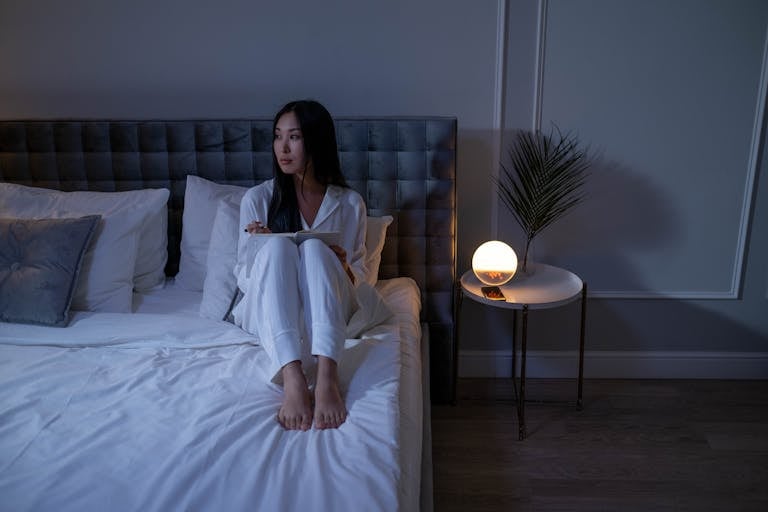
If you’re waking up at 3am—wide awake, alert, and unable to fall back asleep—you’re not imagining it.
And you’re definitely not alone.
This is one of the most common (and most frustrating) sleep disruptions during perimenopause. It can feel random, unpredictable, and honestly a little alarming—especially if you’ve never had sleep issues before.
But this isn’t random.
There’s a reason it’s happening—and once you understand it, you can start to fix it without guessing your way through another 20 “sleep tips.”
Why you wake up at 3am during perimenopause
Waking up at 3am during perimenopause is often caused by shifts in cortisol, blood sugar, and body temperature regulation—making your body more likely to wake and stay awake.
Around this phase of life, your hormones stop following predictable patterns.
That affects:
- how your body regulates stress
- how stable your blood sugar stays overnight
- how well your nervous system settles into deep sleep
So instead of staying asleep through the night, your body becomes more sensitive to small disruptions—and 2–4am is where it tends to show up.
What’s actually happening in your body at 3am
During perimenopause, your body becomes more reactive overnight—especially in the early morning hours when stress hormones naturally start to rise.
Here’s what’s often happening behind the scenes:
- Cortisol is rising too early
Your body starts preparing to wake up… hours before you actually want to - Blood sugar dips overnight
If it drops too low, your body releases stress hormones to compensate - Temperature regulation shifts
Even subtle changes can pull you out of deeper sleep
None of this means something is “wrong.”
It means your body is working harder to maintain balance—and sleep is where that imbalance shows up first.
This is exactly where the Restore pillar of the Venvy Method comes in — focusing on sleep, recovery, and nervous system support so your body can actually settle at night instead of staying “on.”
If you haven’t seen it yet, you can explore the full framework here:
👉 The Venvy Method

And if your nights also include overheating or waking up sweaty, that’s often connected too—not a separate problem.
🌙 Here’s what’s behind night sweats (and how to reduce them)
Why it feels like you’re suddenly “bad at sleeping”
It’s not that you forgot how to sleep—it’s that your body is no longer as predictable as it used to be.
What worked before:
- eating the same way
- working out the same way
- going to bed the same way
…doesn’t always work now.
And that’s where most frustration comes from.
You try to:
- tighten your routine
- add more discipline
- follow more advice
But none of it sticks—because the problem isn’t effort.
👉 It’s mismatch.
Why most sleep advice doesn’t work anymore
Most sleep advice assumes your body is stable—perimenopause changes that.
Things like:
- “just go to bed earlier”
- “avoid screens”
- “take magnesium”
aren’t wrong—but they’re incomplete.
They don’t account for:
- hormonal fluctuations
- nervous system sensitivity
- energy variability
So you end up trying more… and getting less out of it.
What actually helps you stay asleep
The goal isn’t to control your body perfectly—it’s to support it so it can stay regulated overnight.
That usually looks like:
- stabilizing blood sugar before bed
- creating a real wind-down (not just “getting tired”)
- reducing late-night stress inputs
- supporting your nervous system—not stimulating it
Small shifts matter more than extreme ones here.
And consistency matters more than intensity.
If your evenings feel rushed, wired, or unpredictable, that’s often what shows up at 3am.

One simple way to calm your system in the moment is breathwork, like the 4-7-8 method, which helps bring your nervous system out of that wired, alert state.
👉 Try this 4-7-8 breathing guide
How to reset your sleep without guessing
If you’re tired of trying random fixes, the fastest way forward is to actually identify what’s disrupting your sleep.
That’s exactly what the Peri Sleep Reset is designed to help you do.
It’s a short, focused reset that helps you:
- pinpoint your biggest sleep disruptor
- understand what’s actually happening in your body
- make targeted changes that fit your real life
Instead of layering more advice, it gives you clarity.

When sleep issues are part of something bigger
Sleep is often the first place your body signals that something is off—but it’s rarely the only place.
If you’re also noticing:
- inconsistent energy
- mood swings
- routines that don’t stick
- feeling “off” throughout the day
…it may not just be a sleep issue.
That’s where a more complete approach comes in.
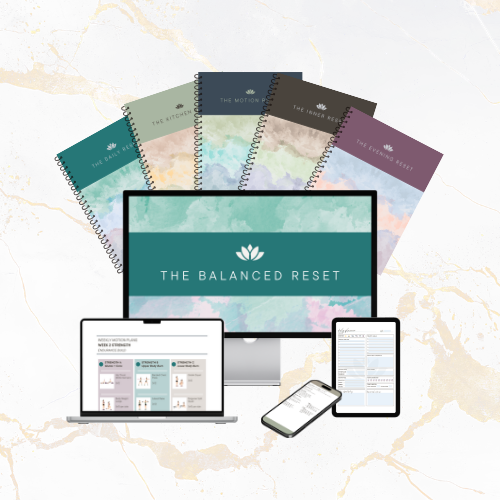
The Balanced Reset by Venvy Lab expands beyond sleep to help you build routines that support your energy, movement, and recovery together.
A better way to think about sleep in perimenopause
You don’t need to become perfect at sleep.
You need to understand your body a little better—and support it in a way that actually fits your life right now.
That’s the shift.
Not:
- more discipline
- more rules
- more pressure
But:
- better awareness
- better alignment
- better support
Because when your body feels supported, sleep gets easier.
Not overnight—but consistently.