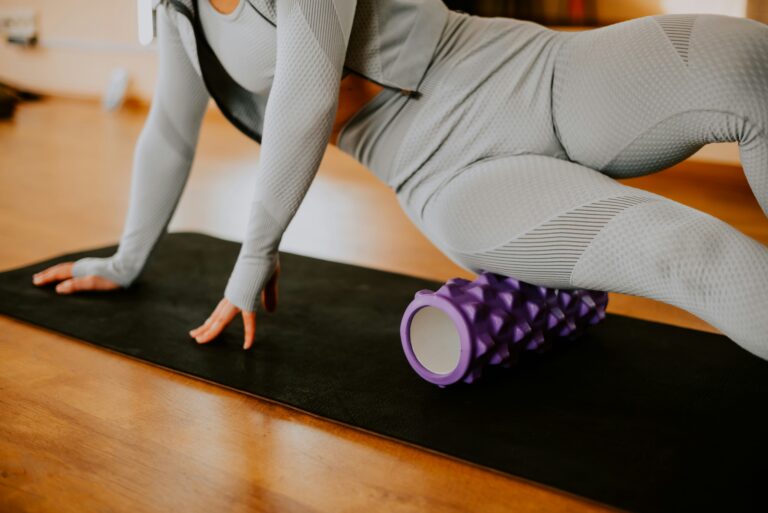

A Beginner’s Guide to Strength Training in Perimenopause (Without Burnout)
At some point, workouts that used to feel effective… stop working the same way.
You might notice:
- less progress
- more fatigue
- longer recovery
- or just feeling completely drained afterward
So you try to push harder.
More workouts.
More intensity.
More effort.
And somehow… that makes it worse.
If that sounds familiar, it’s not a motivation issue.
👉 It’s a mismatch between your body and your approach.
Why strength training matters more in perimenopause
Strength training becomes more important in perimenopause because it supports muscle mass, metabolism, bone density, and overall hormonal health.
As hormones shift, your body naturally starts to:
- lose muscle
- store energy differently
- recover more slowly
Strength training helps counter that.
Not by pushing harder—but by:
- building resilience
- supporting metabolism
- improving how your body functions day to day
Why your old workouts might not work anymore
Workouts that rely on high intensity or volume may stop working because your body becomes more sensitive to stress and recovery demands.
What used to feel effective can now feel:
- exhausting
- inconsistent
- unsustainable
That’s because your body is:
- less tolerant of chronic stress
- slower to recover
- more reactive to overtraining
So doing more doesn’t always mean getting better results.
Why pushing harder often backfires
Pushing harder can backfire by increasing stress on your body, leading to fatigue, burnout, and inconsistent progress.
This is the trap.
You think:
“I just need to try harder.”
So you:
- add more workouts
- increase intensity
- reduce rest
And for a short time, it works. Until your body pushes back.
What strength training should look like now
Strength training in perimenopause should focus on consistency, recovery, and progressive strength—not intensity or exhaustion.
Instead of chasing burnout, focus on:
- controlled, intentional movements
- moderate weight with good form
- rest and recovery between sessions
- consistency over time
This isn’t about doing the most. It’s about doing what actually works.
How often should you strength train?
Most women benefit from strength training 2–4 times per week, depending on energy, recovery, and overall lifestyle.
More isn’t always better. What matters is:
- showing up consistently
- allowing your body to recover
- building gradually
Even 2–3 sessions per week can make a meaningful difference.
What to focus on as a beginner
Beginners should focus on simple, full-body movements that build strength safely and consistently.
Start with:
- squats
- hinges (like deadlifts)
- pushing movements
- pulling movements
- core stability
You don’t need a complicated program.
You need something you can:
👉 understand
👉 repeat
👉 build on

Why recovery matters just as much as training
Recovery is essential because your body needs time to rebuild and adapt after strength training—especially in midlife.
This is where most people miss the mark. Progress doesn’t happen during the workout.
It happens:
👉 after
So if you’re constantly:
- tired
- sore
- depleted
That’s not progress. That’s overload.
This is exactly where the Move pillar of the Venvy Method comes in—focusing on building strength in a way that supports your body, instead of burning it out.

How to build a strength routine that actually sticks
A strength routine sticks when it is simple, flexible, and designed to work with your energy—not against it.
This means:
- fewer workouts, done consistently
- realistic expectations
- flexibility when your energy shifts
- focusing on progress, not perfection
You don’t need the perfect plan. You need a sustainable one.

Where The Motion Reset fits in
The Motion Reset provides a structured, beginner-friendly approach to building strength without burnout.
If you’re tired of:
- guessing what to do
- overdoing it
- or not knowing where to start
This gives you:
- clear structure
- simple progression
- flexibility to adjust
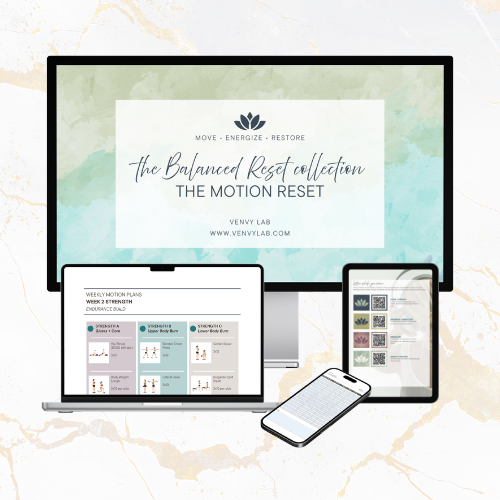
💪 Explore The Motion Reset, part of Venvy Lab’s Balanced Reset system
When strength training is part of something bigger
Strength training works best when it’s part of a broader system that supports your energy, recovery, and daily routines.
Movement doesn’t exist in isolation.
It connects to:
- how you eat
- how you sleep
- how you recover
That’s where a more complete system comes in.
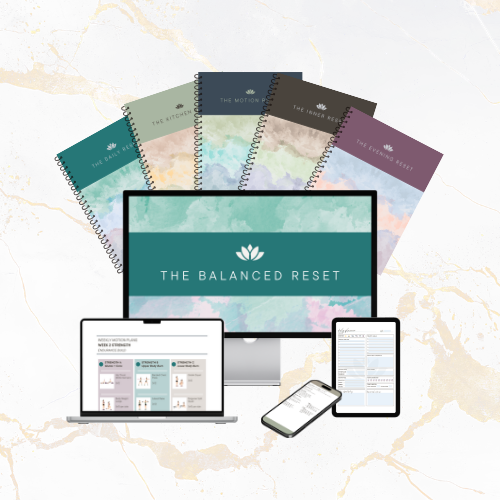
✨ Explore The Balanced Reset by Venvy Lab
The bottom line
Strength training doesn’t need to be extreme to be effective—it just needs to be consistent and aligned with your body.
You don’t need to push harder.
You need to train smarter.
And once you do?
Everything starts to feel more sustainable.