Why High-Protein Meals Matter More in Midlife Than You Think
Somewhere along the way, women were collectively told that lunch should basically be yogurt, sadness, and maybe twelve almonds.
Then midlife arrived and suddenly:
- your energy crashes harder
- your hunger feels weirdly unpredictable
- your sleep gets fragile
- your body composition changes even if your habits don’t
- and eating “healthy” somehow leaves you starving an hour later
Cool. Excellent system. Love that for us.
The reality is that protein becomes more important during perimenopause and beyond, not less.
Not because women need to become bodybuilders overnight.
Not because every meal needs to look like a chicken breast survival challenge.
And definitely not because you need to obsessively count macros for the rest of your natural life.
But because protein affects almost everything women in midlife are actively struggling with:
- muscle retention
- energy stability
- cravings
- blood sugar regulation
- recovery
- satiety
- strength
- metabolism
- bone health
- even nervous system resilience
And once you understand that, a lot of “mystery symptoms” start making a lot more sense.
Midlife Changes the Rules a Little
During perimenopause, estrogen fluctuations affect the way your body handles appetite, recovery, insulin sensitivity, inflammation, and muscle maintenance.
Which means the old “eat less and do more cardio” strategy starts backfiring spectacularly.
You may notice:
- feeling weaker despite exercising
- losing muscle faster
- softer body composition
- harder recovery after workouts
- increased belly fat
- feeling hungry and tired at the same time
- late-night snacking becoming a full personality trait
That’s not a personal failure.
It’s physiology changing.
And one of the simplest foundational shifts you can make is increasing protein intake consistently throughout the day.
Why Protein Matters So Much for Hormone Health
Protein is made up of amino acids, which are essentially the raw materials your body uses for repair, recovery, neurotransmitters, hormones, immune function, and muscle maintenance.
In midlife, adequate protein helps support:
Muscle Mass + Strength
Women naturally lose muscle with age, and that process accelerates during perimenopause.
Muscle matters for:
- metabolism
- blood sugar regulation
- mobility
- balance
- longevity
- bone protection
- heat tolerance during exercise and hiking
- recovery capacity
This is one reason strength training becomes so important during this phase of life.

Blood Sugar Stability
A protein-poor breakfast made mostly of carbs can set off the classic:
- energy spike
- crash
- cravings
- irritability
- afternoon exhaustion cycle
Protein slows digestion and helps stabilize energy more effectively across the day.
If you constantly feel:
- shaky
- starving
- tired-but-wired
- desperate for sugar at 3 PM
…your meals may simply not contain enough protein or enough overall substance.

Appetite + Cravings
One of the least discussed realities of under-eating protein is that your body will often continue seeking food because it still hasn’t received enough amino acids.
Which means:
you may not actually lack “willpower.”
You may just need lunch.
A real one.
Sleep + Recovery
Protein supports neurotransmitter production and overnight recovery.
And while protein alone will not magically fix midlife sleep disruption, chronically under-fueling absolutely tends to make it worse.

Bone Health
Women in midlife need adequate protein alongside resistance training and mineral intake to support bone density as estrogen levels shift.
Tiny salads and rice cakes are not a bone health strategy.
The Biggest Protein Mistake Women Make
Most women don’t spread protein across the day.
Instead, it often looks something like:
- coffee for breakfast
- light lunch
- random snacks
- then a giant dinner
The problem is your body benefits more from consistent protein distribution throughout the day.
That means:
- breakfast matters
- lunch matters
- snacks matter
- recovery nutrition matters
Not just dinner.
What “Enough Protein” Actually Looks Like
This varies by:
- body size
- activity level
- age
- muscle goals
- recovery demands
- overall health
But many active midlife women likely need significantly more protein than they think.
Especially if they:
- strength train
- hike
- ruck
- walk frequently
- are trying to lose fat while preserving muscle
- struggle with energy crashes
- are entering perimenopause
A surprisingly common issue is women eating what looks healthy but is actually extremely low in protein.
Example:
- oatmeal + fruit breakfast
- salad lunch
- handful of crackers
- light pasta dinner
That can easily leave someone dramatically under-fueled for the day.
High-Protein Doesn’t Mean Miserable
This is where the internet sometimes loses the plot.
You do not need:
- plain chicken and broccoli forever
- “clean eating” obsession
- weird punishment meals
- protein powder in absolutely everything
- to become emotionally attached to cottage cheese
You just need meals that are:
- balanced
- satisfying
- realistic
- sustainable
- protein-forward enough to support your actual life
For some women that may look like:
- Greek yogurt with berries and almonds
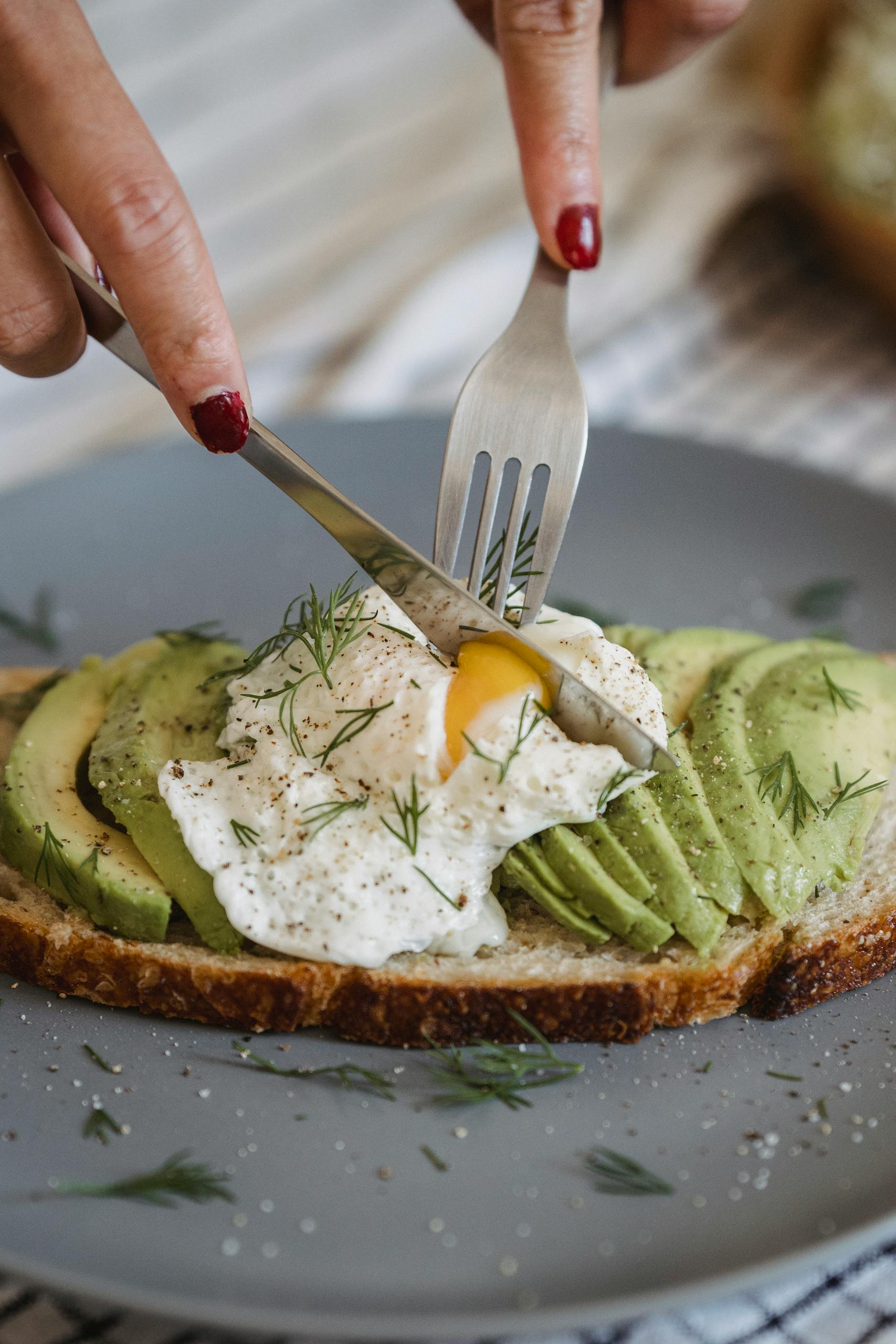
- eggs with sourdough and avocado
- salmon bowls
- steak and roasted vegetables
- chicken quinoa bowls
- tuna wraps
- cottage cheese with fruit
- smoothies with kefir and protein powder
- bison burgers
- lentil soups with added protein
- rotisserie chicken shortcuts
The goal is not perfection.
The goal is:
less crashing,
more stability,
better recovery,
more strength,
and fewer “why do I feel like a dying Victorian child by 2 PM?” moments.
Midlife Wellness Is Built on Foundations
A lot of women jump immediately to supplements, hormone hacks, detoxes, or extreme protocols.
Meanwhile:
- they’re under-eating protein
- barely sleeping
- overdoing cardio
- under-recovering
- stress-loading their nervous system
- and trying to survive on caffeine
Foundations first.
Protein is one of those foundations.
Not because it’s trendy.
Because your body genuinely needs support differently now.

Final Thought
Midlife is not the beginning of decline.
But it is often the beginning of needing a different strategy.
More nourishment.
More recovery.
More strength.
More stability.
Less punishment.
And sometimes one of the most powerful changes is also one of the least glamorous:
eating enough protein consistently enough for your body to finally exhale a little.