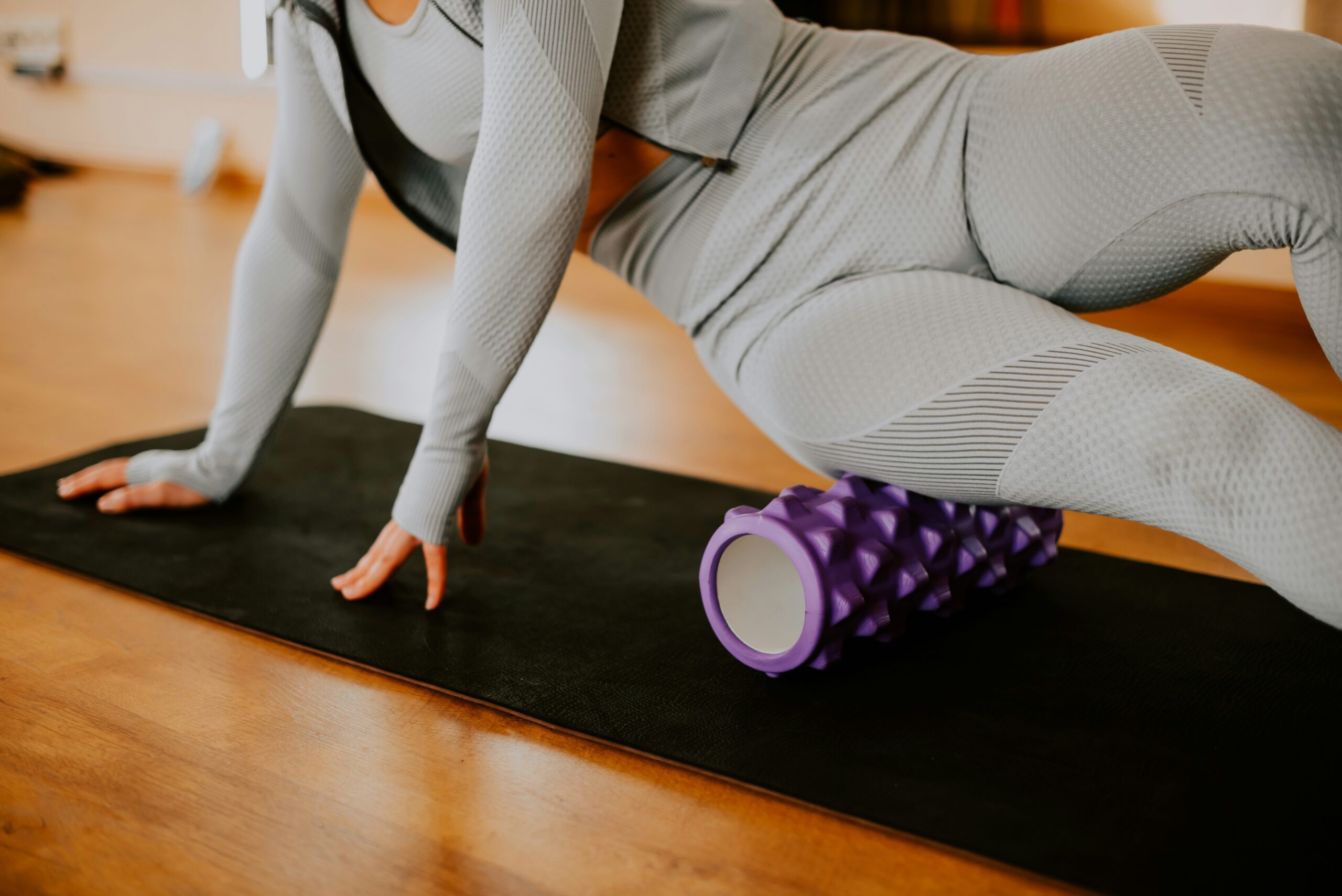
Foam Roller Recovery: 5 Easy Moves to Reset Your Muscles
Recovery isn’t optional—it’s how your body actually gets stronger.
If you’re constantly sore, tight, or feeling stiff between workouts, it’s not always your training that needs to change—it’s your recovery.
Recovery is a core part of the Motion Reset, where strength, mobility, and rest are all built into the same system. This also connects to the Restore pillar, which focuses on sleep, recovery, and giving your body space to rebuild.
A foam roller is one of the simplest tools you can use to support muscle recovery, improve mobility, and help your body feel better faster.
These five simple resets take just a few minutes—but can make a noticeable difference.
This post may contain affiliate links. That means I may earn a small commission if you purchase through them, at no extra cost to you. I only share products I genuinely use or recommend.
Why Foam Rolling Helps Recovery
Foam rolling helps reduce muscle tension, improve circulation, and support faster recovery after workouts.
Foam rolling works by:
- increasing blood flow to muscles
- releasing tight or overworked areas
- improving range of motion
It’s not about doing more—it’s about helping your body recover so you can stay consistent.
5 Foam Roller Exercises for Muscle Recovery
These five foam rolling movements target key muscle groups to reduce soreness and improve mobility after strength or cardio workouts.
Calves Reset
Roll from your ankle up toward your knee, pausing on tight spots.
Add small side-to-side shifts if you feel knots.
Quads Release
Face down with the roller under your thighs.
Slowly roll from your hip to just above your knee to ease stiffness.
Upper Back Mobilizer
Place the roller under your shoulder blades.
Support your head, gently lift your hips, and roll upward through your mid-back.
Glutes Reset
Sit on the roller and cross one ankle over the opposite knee.
Lean slightly into that side and roll slowly back and forth.
Hamstrings Reset
Place the roller under your thighs and lift your hips slightly.
Roll from your sit bones to the back of your knees.
How to Use a Foam Roller (Without Overdoing It)
Spend 5–10 minutes foam rolling after workouts, focusing on tight areas without rushing.
Keep it simple:
- move slowly
- pause on tight spots
- avoid rushing through it
You don’t need a long session—just a few focused minutes can help.
When to Foam Roll for Best Results
Foam rolling is most effective after workouts or on recovery days when your muscles need support.
Using a foam roller after a workout—or even after a quick dynamic warm-up—can help improve mobility and reduce stiffness.
Best times to use it:
- after strength training
- after cardio
- on rest or recovery days

👉 Think of it as part of your routine—not an afterthought. 5 Dynamic Warm-Up Exercises to Prepare Your Body for Any Workout
How This Fits Into The Motion Reset
Foam rolling supports the recovery component of The Motion Reset, helping your body adapt and stay consistent.
Recovery is built into the system—not added on later.
This is exactly how The Motion Reset works—balancing strength, movement, and recovery so your body actually improves over time.
Recover Smarter, Not Harder
You don’t need complicated recovery routines.
You need tools you’ll actually use.
A foam roller is one of the fastest, simplest ways to:
- release tension
- improve mobility
- and feel better between workouts
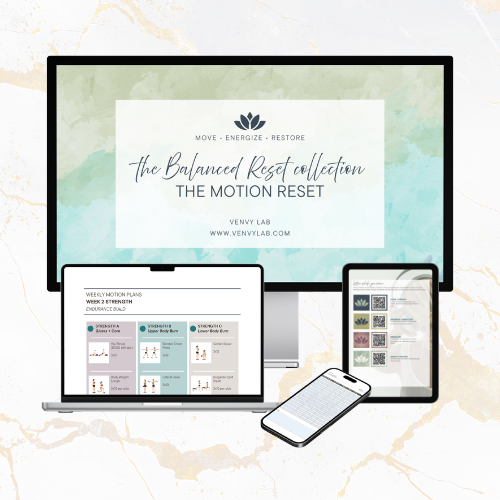
💪 Explore The Motion Reset, part of Venvy Lab’s Balanced Reset system
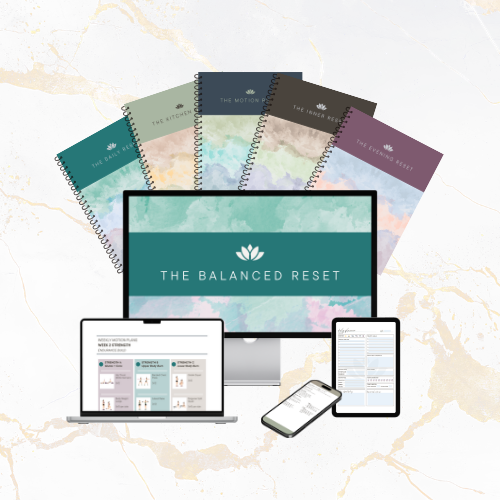
✨ Explore The Balanced Reset by Venvy Lab