The Human Animal
Sometimes I think we’ve forgotten that we’re animals.
Not metaphorically. Literally.
Human animals.
A species that spent most of its existence outside.
Walking. Looking at the horizon. Sleeping when it got dark.
Talking to the people physically nearby. Paying attention to the weather.
Moving our bodies because it was required for survival. Experiencing information at the speed information could actually travel.
And then, in what amounts to a geological blink of an eye, we built modern life.
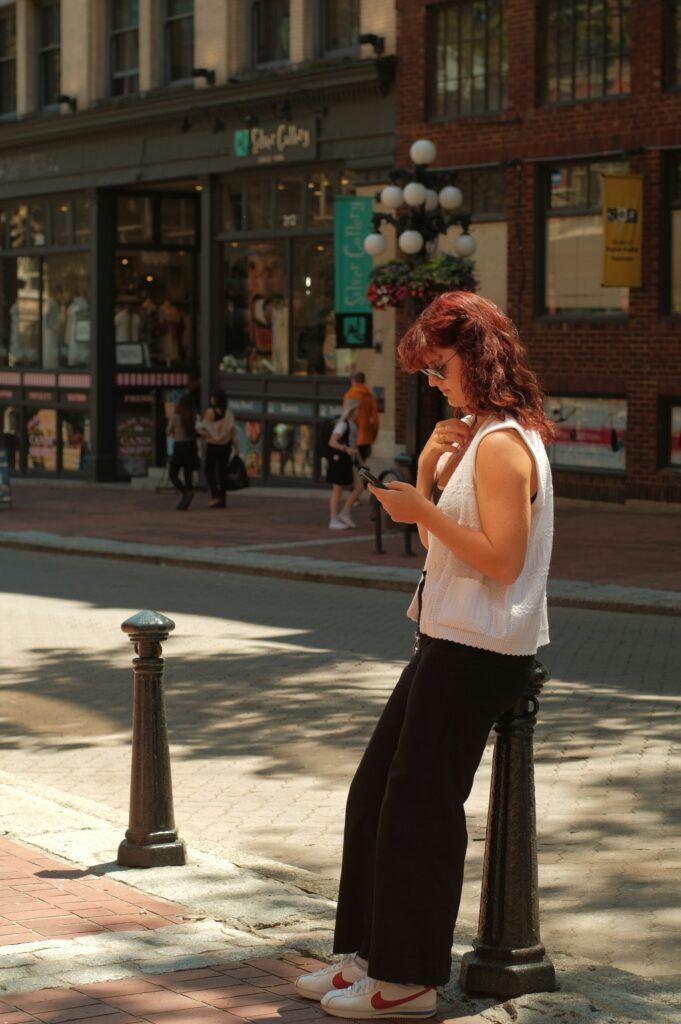
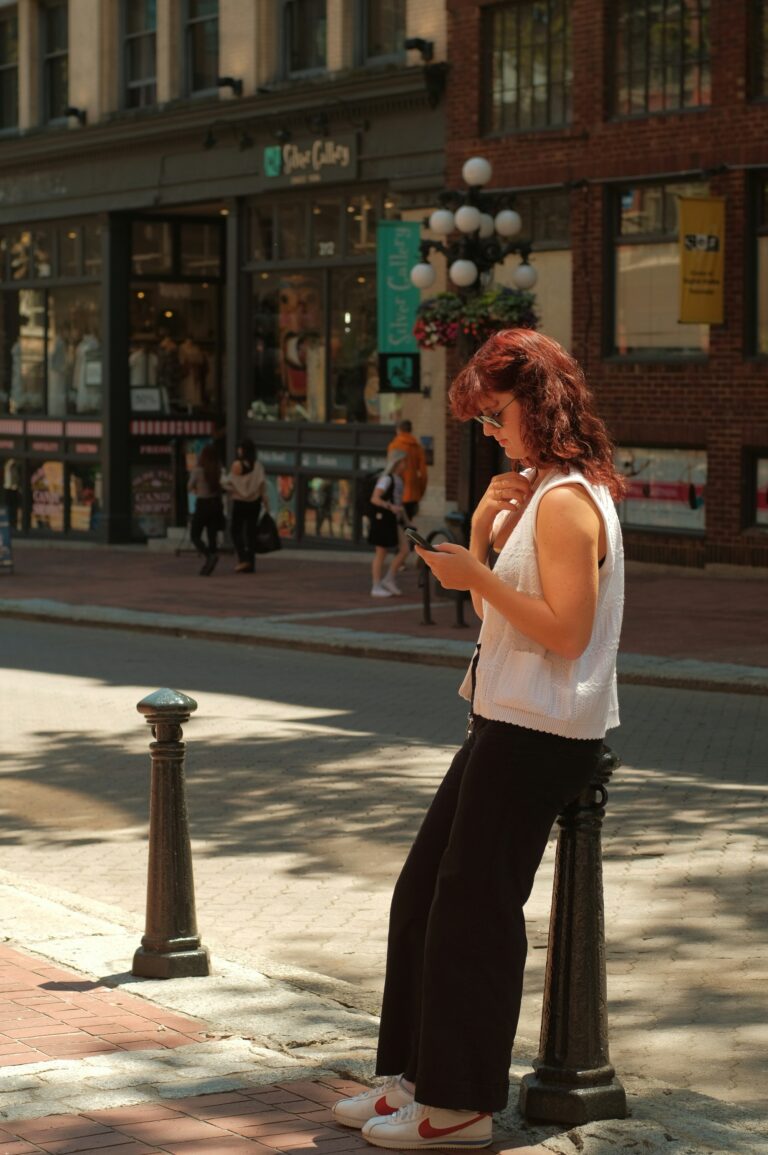
Now, we all wake up and immediately check this tiny glowy rectangle that contains more information than an entire village would have encountered in an entire year.
Before we’ve even had breakfast, we’ve already seen political outrage, celebrity news, economic anxiety, vacation photos, productivity advice, messages from coworkers, advertisements, and at least fifteen different reasons we should be improving ourselves.
And we’re expected to process all of it all the time, as if it’s somehow normal.
But sometimes I wonder if maybe that’s the problem — we’re all trying to live our lives like we’re machines.
And we are not machines. We are animals.
Remarkably adaptable animals. But animals nonetheless.
The human nervous system evolved for forests, weather, social groups, movement, uncertainty, seasons, sunlight, and rest.
It did not evolve for endless notifications and a constant stream of blue light instead of sunlight.
It did not evolve for constant accessibility.
It did not evolve for carrying the emotional weight of every crisis happening everywhere on Earth at every moment, all at the same time.
It did not evolve for staring at illuminated rectangles for twelve hours a day and then wondering why sleep feels so elusive.
Yet increasingly, we behave as though our inability to comfortably absorb all of this is some sort of personal failure.
But maybe it isn’t.
Maybe the question isn’t: “Why am I struggling to keep up?”
Maybe the question is: “Why am I expecting a human animal to thrive under conditions no human animal has ever experienced before?”
We Keep Acting Surprised
So, of course sleep is harder. Of course our attention feels fragmented all the time. Of course we’re exhausted. Of course books feel harder to focus on and we need the subtitles on in Netflix.
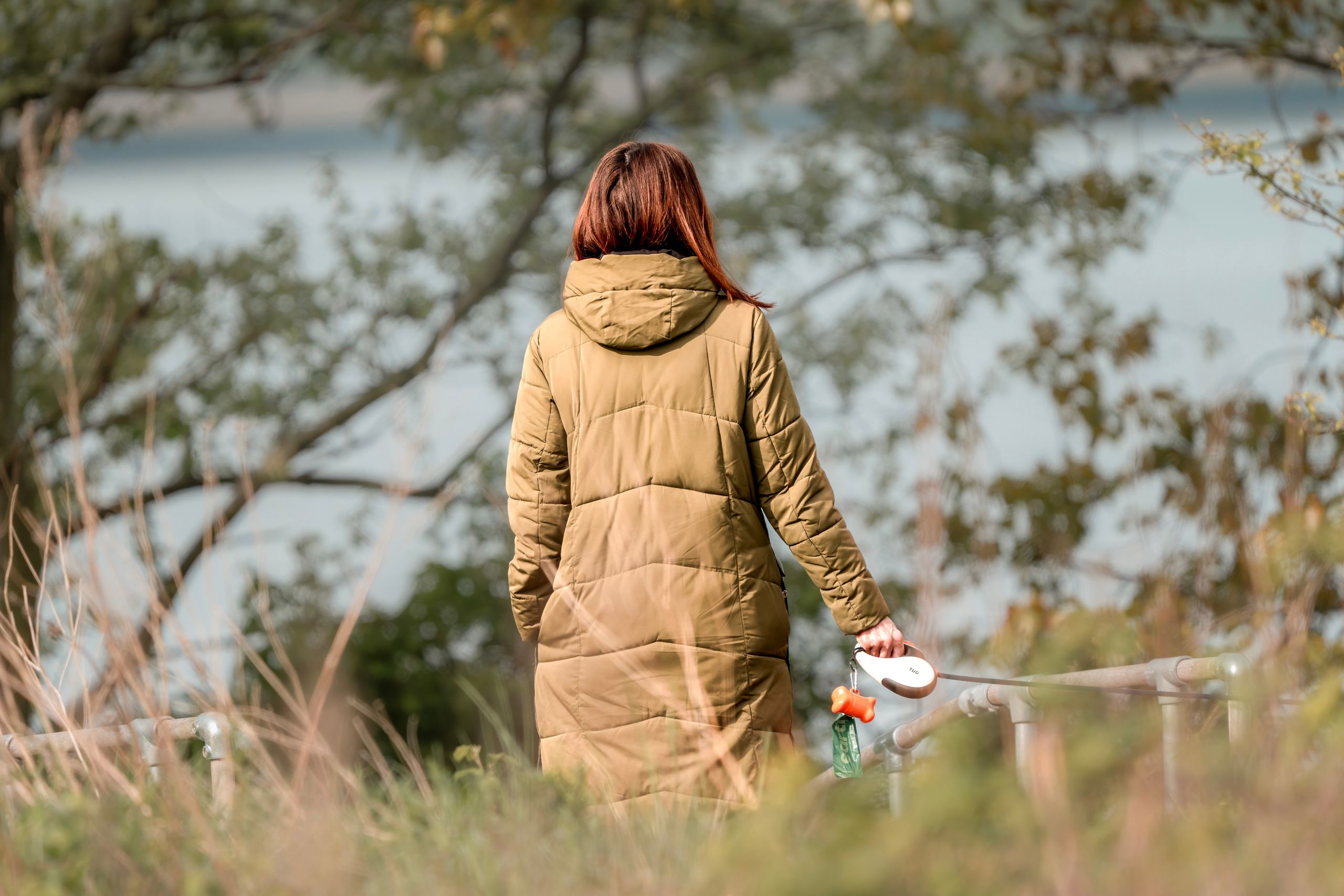
And of course, nature feels restorative. Of course a walk always helps.
Not because those are magical solutions.
Because they’re closer to the environment the human animal actually understands.
Maybe the goal isn’t escaping modern life. Maybe the goal is remembering what kind of creature we are while we’re living inside it.
We Built A World For Machines
Modern life increasingly rewards machine-like behavior.
Constant availability. Constant productivity.
Constant optimization. Constant responsiveness.
Constant consumption.
The problem is that human beings don’t actually operate that way.
We operate in rhythms.
We need sleep. We need recovery.
We need silence. We need boredom.
We need attention that isn’t fractured into a thousand pieces.
one more thing…
If you’re quietly side-eyeing modern life, you might enjoy the Venvy Mail Club. It’s a series of thoughtfully curated editions filled with beautiful paper goods, collectible Venvylets, original artwork, and small reminders to spend a little more time in the real world.
about kori.
She has a favorite bookstore, a passport that’s seen some things, and can’t seem to stop accidentally acquiring new hobbies. She writes about books, travel, modern life, and the small things that help us stay human.