
7 Subtle Signs of Hormonal Imbalance (and What to Do About Them)
Hormones shape how you feel, sleep, think, and move—especially after 35.
But the shifts don’t always show up in obvious ways.
This is one of the core patterns the Venvy Method is designed to address—looking at your body as a system, not a set of isolated symptoms.
More often, they show up quietly:
- your energy just feels off
- your sleep changes
- your mood isn’t as steady
And it’s easy to brush it off.
You’re not imagining it—and you’re not broken.
Your body is changing.
And it needs a different kind of support.
What Are Subtle Signs of Hormonal Imbalance?
Subtle hormonal imbalances often show up as small changes in energy, mood, sleep, and metabolism rather than obvious symptoms.
These changes can include:
- persistent fatigue
- mood swings
- cravings
- sleep disruption
- weight changes
- cycle irregularities
They’re easy to normalize—but they’re also your body’s way of asking for support.
1. You Wake Up Tired (Even After 7+ Hours of Sleep)
Fatigue that lingers—even after 7+ hours of sleep—can signal issues with cortisol rhythm or thyroid function.
This often shows up as:
- feeling groggy in the morning
- relying on caffeine to get going
- energy dips later in the day

👉 Try this! Start with your morning rhythm:
- get sunlight within the first hour of waking
- keep a consistent wake time
- prioritize a protein-rich breakfast
2. Your Mood Feels Less Stable Than Usual
If you feel more irritable, emotional, or reactive—especially around your cycle—hormonal shifts may be playing a role.
Estrogen and progesterone fluctuations can affect:
- mood
- patience
- emotional regulation

👉 Try this! Support stability through:
- balanced meals (protein + fiber)
- reducing caffeine during sensitive phases
- building more consistent routines
3. You Crave Sugar or Salty Snacks (Especially in the Afternoon)
Persistent cravings—especially mid-afternoon—can point to blood sugar imbalance or low cortisol.
This often looks like:
- energy crashes
- strong cravings around 2–4 p.m.
- needing a quick fix to get through the day

👉 Try this! Focus on stabilizing blood sugar:
- include protein in every meal
- don’t skip meals
- add fiber-rich foods to stay fuller longer
This is where the Nourish pillar becomes important, especially when it comes to stabilizing energy and blood sugar.
4. Your Sleep Is Interrupted or Shallow
Waking up at 2 or 3 a.m. is common—and often linked to hormonal shifts.
This can be influenced by:
- blood sugar drops
- low progesterone
- disrupted melatonin rhythms

👉 Try this! Support your evening routine:
- reduce late-night screen exposure
- limit alcohol
- add calming, consistent wind-down habits
5. You’re Gaining Weight (Especially Around Your Midsection)
If your body is changing without major shifts in diet or activity, hormones may be involved.
Common contributors:
- elevated cortisol
- insulin resistance
- estrogen shifts

👉 Try this! Focus on:
- strength training
- reducing ultra-processed foods
- prioritizing sleep and recovery
6. Your Cycle Has Changed
Changes in your cycle—timing, flow, or symptoms—are common in your late 30s and 40s.
That doesn’t mean they should be ignored.

👉 Try this! Start tracking:
- cycle length
- symptoms
- energy patterns
This helps you understand your body—and gives useful insight if you need support later.
Tracking these patterns is also part of cycle syncing—understanding how your body shifts over time.
7. You Feel “Off” but Can’t Explain Why
This is one of the most common signs—and the hardest to describe.
You’re not necessarily:
- sick
- depressed
- or burned out
But you don’t feel like yourself, either.

👉 Try this! Start small:
- track your habits
- notice patterns
- make small, consistent adjustments
This is where real change begins.
How to Start Supporting Hormonal Balance
Supporting hormonal balance starts with consistent habits that stabilize energy, support sleep, and reduce stress.
You don’t need to overhaul your life.
Focus on:
- consistent meals
- simple movement
- better sleep routines
- paying attention to patterns
This is exactly how the Venvy Method is designed:
supporting how you nourish, move, restore, and sync—together.
The Venvy Method
A four-pillar system for sustainable health, strength, and balance—without extremes or burnout.




You’re Not Broken—You’re in Transition
Hormonal shifts are part of the process.
But that doesn’t mean you have to feel off all the time.
When you understand what your body is asking for—and respond to it consistently—things start to feel steadier again.
Where to Start
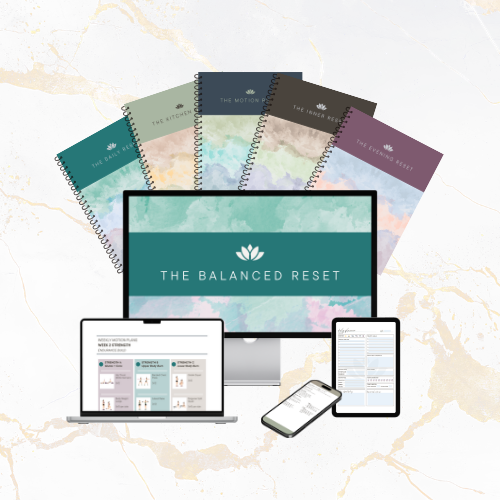
👉 If you’re ready for a more structured approach, explore The Balanced Reset by Venvy Lab—a system designed to help you support your energy, habits, and hormones without extremes.